Vue where it shines
Use Vue for canvas hosting, HUDs, menus, and tools while Mochi keeps hot-loop simulation out of reactivity.


Mochi is a TypeScript game engine for web-native 3D projects. Ship a playable scene faster with Vue canvas hosting, WebGL rendering, controller presets, scene lifecycle helpers, and npm packages that fit into the frontend stack you already know.

<GameCanvas :runtime="{ fixedStep: 1 / 60 }">
  <FirstGameScene />
</GameCanvas>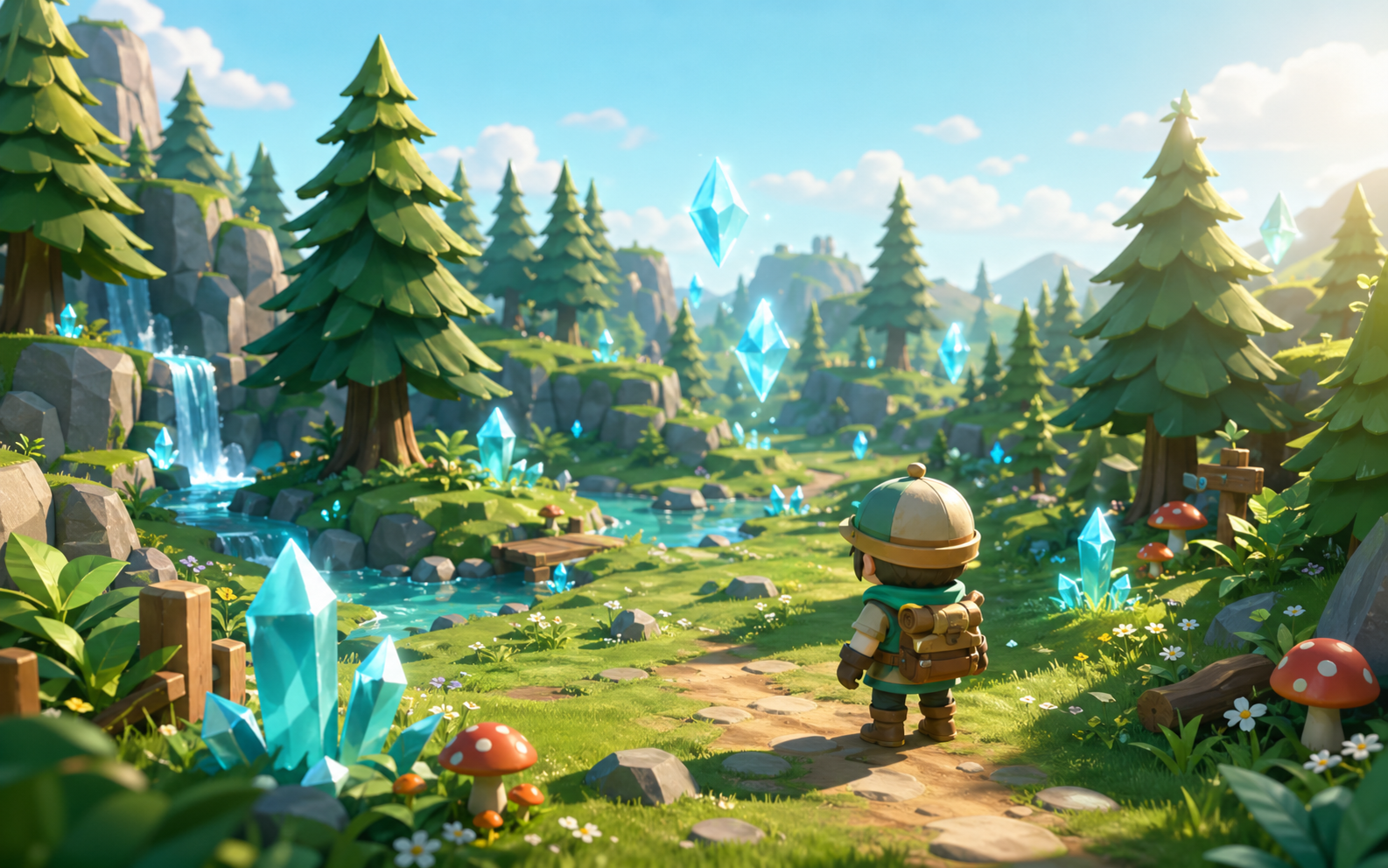
Features
Use Vue for canvas hosting, HUDs, menus, and tools while Mochi keeps hot-loop simulation out of reactivity.
World state, transforms, input, collision queries, snapshots, and fixed-step timing are ready on day one.
Render fast 3D scenes in the browser with a focused WebGL backend and lower-level escape hatches when needed.
Drop in first-person, third-person, vehicle, spaceflight, side-scroller, tactics, and strategy cameras.
Start from npm packages and grow toward production with tutorials, starter flows, and public package APIs.
Use the Vue adapter for the happy path or reach for gameplay, renderer, and core packages directly.
Examples
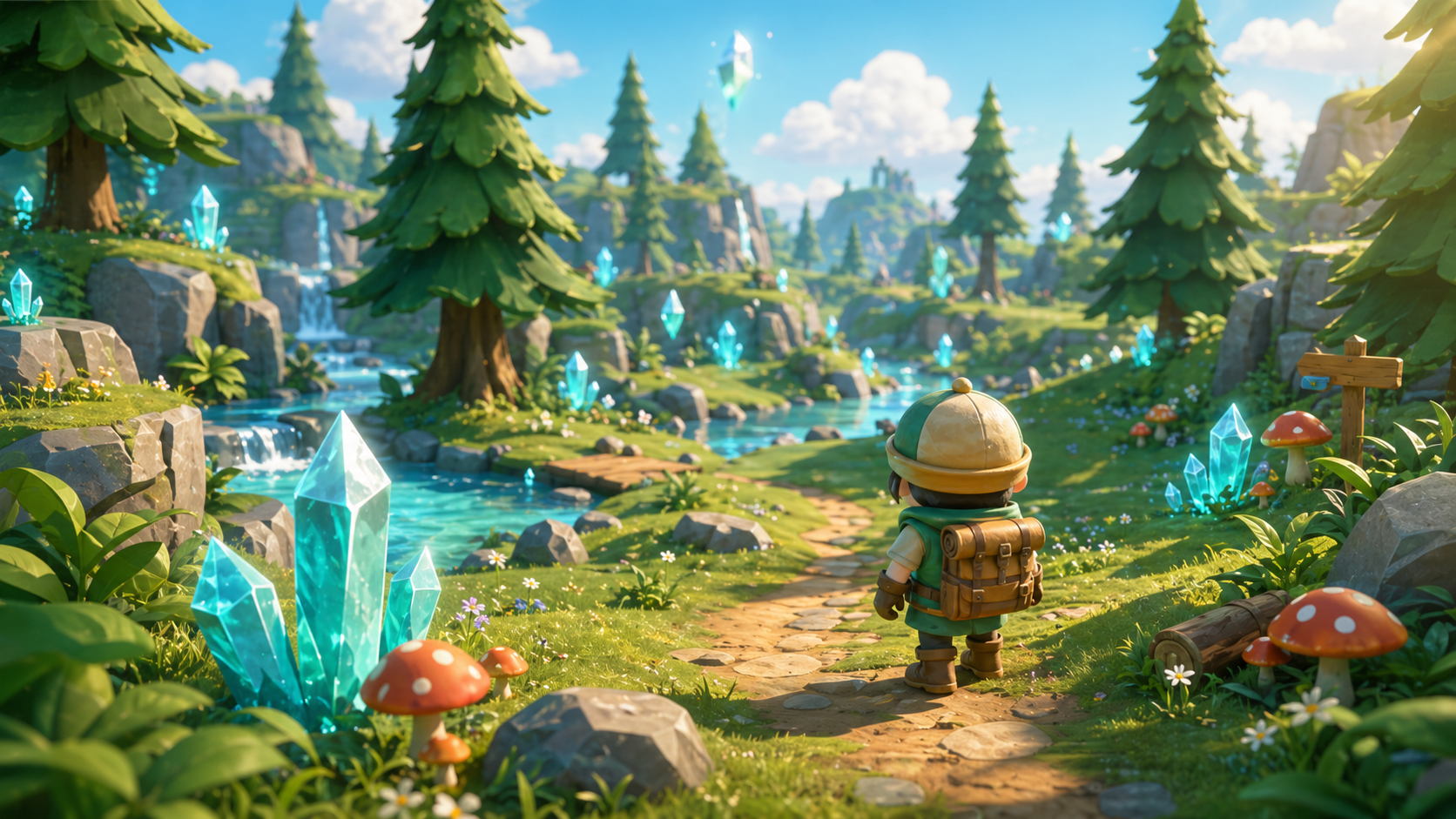
Third-person collection, collision tuning, and debug visuals for your first playable loop.

Vehicle and camera presets for fast arcade movement, racing ideas, and kinetic prototypes.
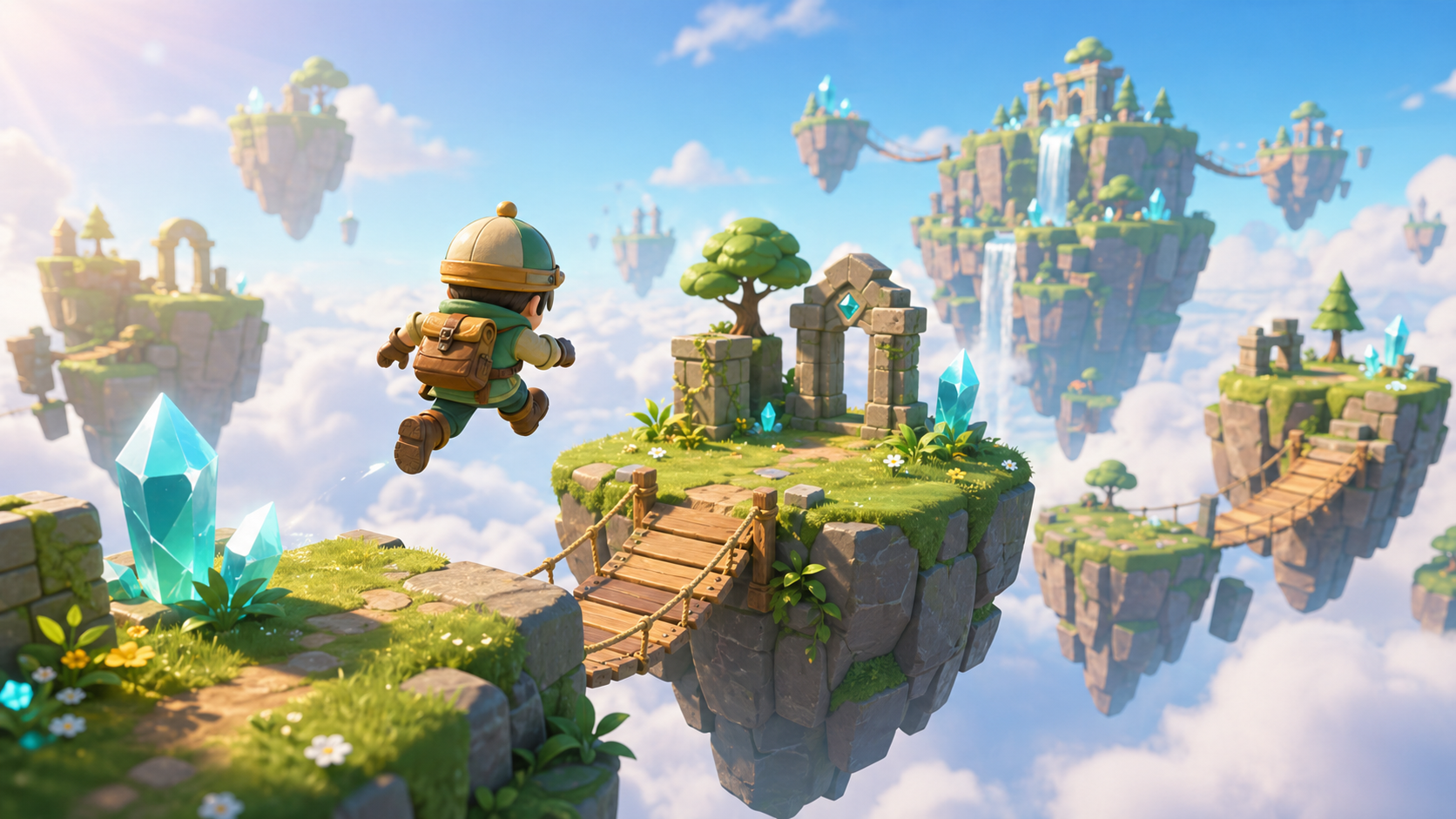
Platforming layouts, scene-owned entities, fixed-step updates, and replayable state.
Why Mochi
Mochi keeps the engine model approachable: entities describe the world, scenes own lifecycle, systems run gameplay, and Vue handles HUDs, menus, overlays, and tools.
Explore developer resourcesCreate stable game objects with transforms, tags, renderables, and reusable data.
Own lifecycle, cameras, controllers, entities, and playable spaces.
Run movement, rules, input, collision, objectives, and timed behavior.
Load, cache, and reuse content across game flows.
Install Mochi, mount the canvas, and build a tiny 3D scene with movement, collision, and debug visuals.